“You also ought to wash one another’s feet” (John 13:14)
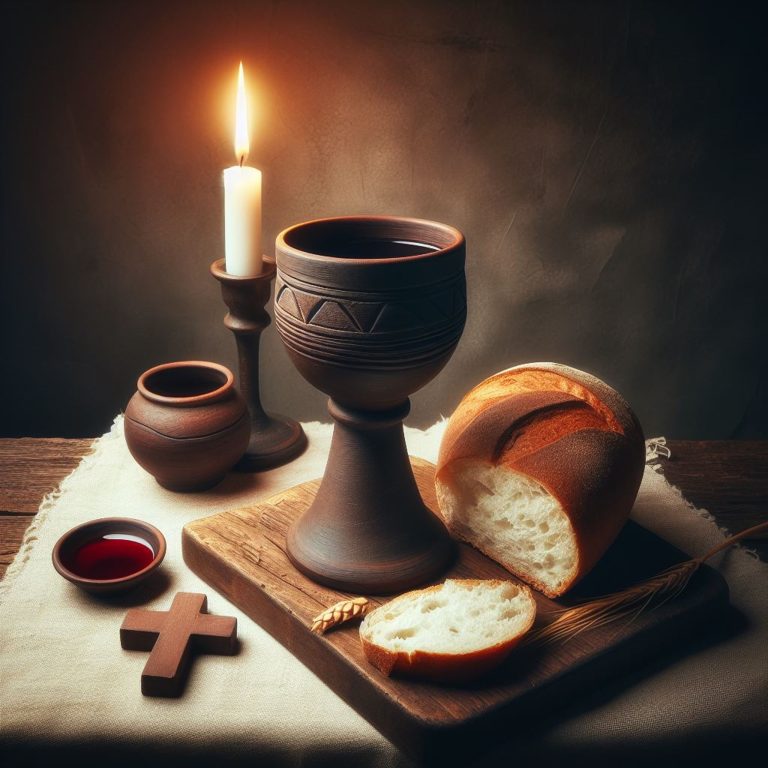
This final part of the Gospel of John (chapters 13-20) is known as the “Book of Glory.” The Last Supper, or Passover meal, was Christ’s farewell meeting with the Twelve. It was accompanied by words and actions of eternal significance, which the disciples did not fully understand, but which are clearer to us today. Knowing that his “hour” had come, Jesus demonstrated his love for his followers until the very end.
Night symbolised satanic darkness. It recalled the passage of the angel of death over Egypt before the Israelites fled from Pharaoh (First Reading). Christ will ascend to the Father, inaugurating a new Exodus for humanity, freeing it from sin.
Jesus knew the horrors that awaited him, but he also knew that he would rise in glory. Evil was present at the table, in the disciple who would betray him. Although the Father had entrusted everything to him, Jesus stripped himself of his garments, wrapped a towel around his head, and washed his disciples’ feet, thus becoming their servant. This act of humility served as an example for his disciples. It is similar to the scene in which Moses washes Aaron and his sons on the day of their consecration to the priesthood (Leviticus 8:6). Christ exhorted his disciples to do the same (Gospel), setting new standards of leadership through humility and anticipating the humiliation of the cross. Let us imitate Jesus in the virtue of humility.